
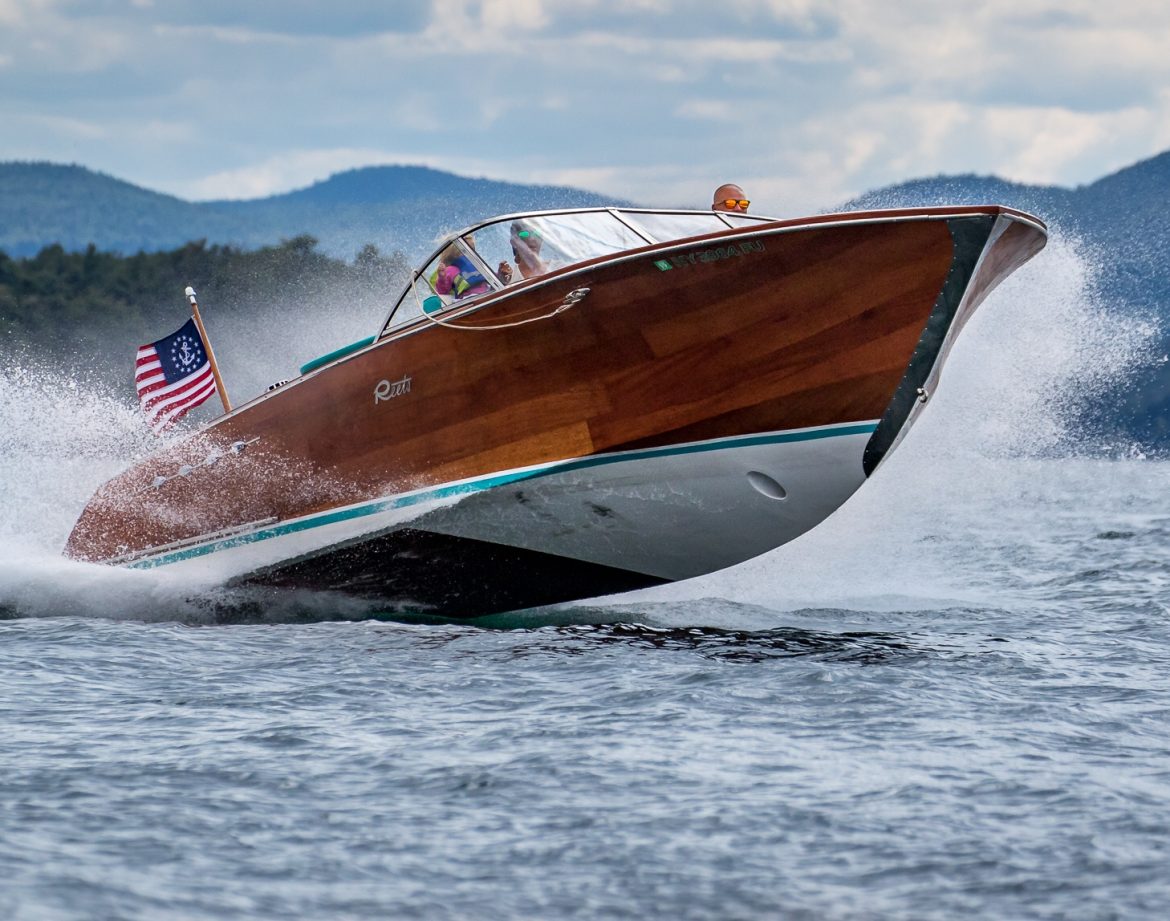
Wood Boats vs. Aluminum Boats: A Practical and Lifestyle-Based Comparison
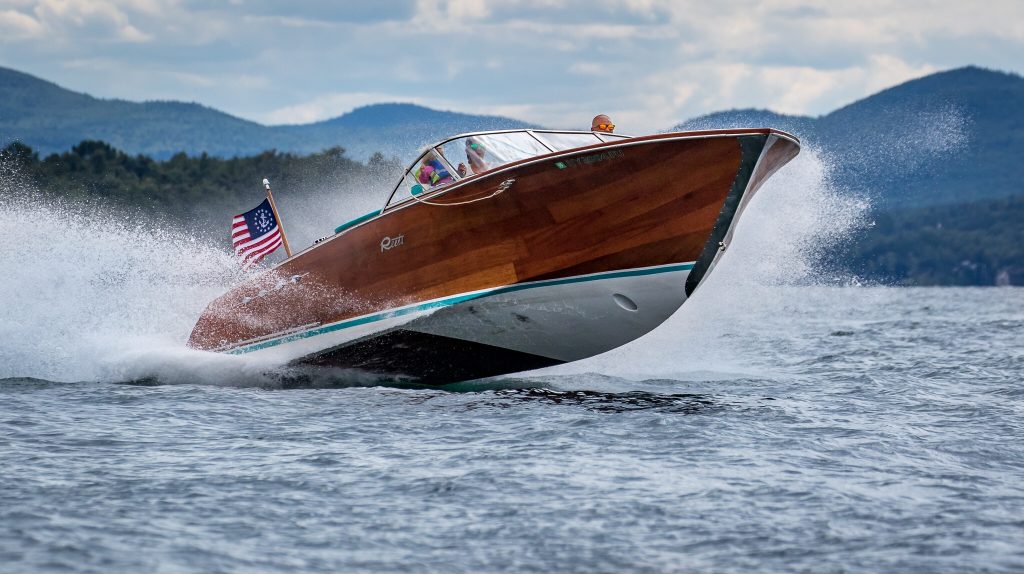
Choosing between a wooden boat and an aluminum boat is about much more than hull material. It’s a decision shaped by how you boat, where you boat, how much time you want to spend maintaining your vessel, and—just as importantly—what kind of relationship you want to have with your boat. For some, boating is purely functional. For others, it’s deeply personal, tied to tradition, craftsmanship, and pride of ownership. Understanding the real-world strengths and weaknesses of each option will help you decide which type fits your boating lifestyle best.
Why Some Boaters Still Choose Wood
Wooden boats hold a special place in boating culture. Many owners don’t just buy them—they build them, restore them, and pass them down. A wooden boat often represents craftsmanship, patience, and connection to maritime history.
Advantages of Wooden Boats
Timeless beauty and character
Few materials can match the warmth and visual appeal of wood. The grain, finish, and hand-built details give wooden boats a presence that modern materials struggle to replicate. Many wooden boats are admired as much on land as they are on water, and well-kept examples often become cherished classics or family heirlooms.
Long service life when cared for properly
Contrary to popular belief, wood boats can last for decades. When owners stay on top of sealing, varnishing, and inspections, wooden hulls remain strong and reliable for a very long time. Many boats built generations ago are still in use today.
Potential environmental appeal
Wood is a renewable material, and repairs can often be made without replacing entire sections of a hull. While modern manufacturing methods vary, some boaters appreciate the idea of using natural materials rather than heavily industrial composites.
Challenges of Wooden Boats
Exposure to the elements
Wood is naturally vulnerable to moisture, sunlight, insects, and fungi. Without consistent protection, it can rot, warp, or crack. Boats stored outdoors or used frequently require extra vigilance to prevent damage.
High maintenance demands
Maintenance is the biggest trade-off with wooden boats. Regular sanding, sealing, painting, and varnishing are not optional—they’re essential. This upkeep takes time, money, and skill, making wooden boats less appealing for owners who want minimal hands-on involvement.
Specialized repairs
When damage occurs, repairs often require woodworking knowledge or professional help. Replacement parts may not be readily available, especially for older or custom-built boats, which can increase costs and downtime.
Weight and performance limitations
Wooden boats are generally heavier than aluminum alternatives. This added weight can reduce speed, increase fuel consumption, and make transport or launching more demanding.
Why Aluminum Boats Are So Popular
Aluminum boats are designed with practicality in mind. They’re especially common among anglers, recreational boaters, and anyone who values durability and ease of ownership over tradition and aesthetics.
Advantages of Aluminum Boats
Minimal maintenance
Aluminum doesn’t rot, and corrosion is usually manageable with basic care. Owners don’t need to worry about sanding, varnishing, or repainting on a regular schedule. For many people, this low-maintenance nature is a major selling point.
Lightweight and efficient
Aluminum hulls are significantly lighter than wood, making boats easier to tow, launch, and handle. The reduced weight also improves fuel efficiency and makes smaller engines more practical.
Durable and impact-resistant
Aluminum handles bumps, scrapes, and shallow-water encounters better than many other materials. While dents may occur, they’re rarely structural issues, and the boat remains fully usable.
Lower upfront and repair costs
In most cases, aluminum boats cost less than similarly sized wooden boats. Repairs, when needed, are typically simpler and more affordable, contributing to lower long-term ownership costs.
Drawbacks of Aluminum Boats
Rougher ride in choppy conditions
Because aluminum hulls are stiff and light, they tend to transmit wave impact more directly. This can result in a noisier, less comfortable ride compared to heavier wooden boats in certain conditions.
Increased noise
Water slapping against metal creates more sound, which can be an issue for anglers—especially in shallow or calm waters where noise can disturb fish.
Cosmetic wear
Scratches and dents are common. While they usually don’t affect performance, aluminum boats often look “used” much faster than wooden boats, which can be restored to near-new appearance with enough effort.
Limited visual appeal
Even with paint and decals, aluminum boats are generally utilitarian in appearance. They prioritize function over form, which may be a downside for owners who value aesthetics.
Temperature extremes
Metal surfaces can become uncomfortably hot in direct sun and very cold in cooler weather. Seating and decks may require cushions or coverings for comfort.
Less common in saltwater use
While aluminum can be used in saltwater, it’s more common in freshwater environments. Salt exposure increases corrosion risks, and hull design options may be more limited compared to other materials.
Making the Right Choice for You
There is no universal “better” option—only a better fit for your needs. If you enjoy hands-on care, appreciate tradition, and see your boat as a craft as much as a vessel, wood may be deeply rewarding. If you prefer simplicity, affordability, and worry-free ownership, aluminum is hard to beat.
Ultimately, your decision should reflect your budget, available time, maintenance skills, boating environment, and how you plan to use your boat. The best boat isn’t just the one that floats—it’s the one that fits seamlessly into your life on and off the water.